
The Science
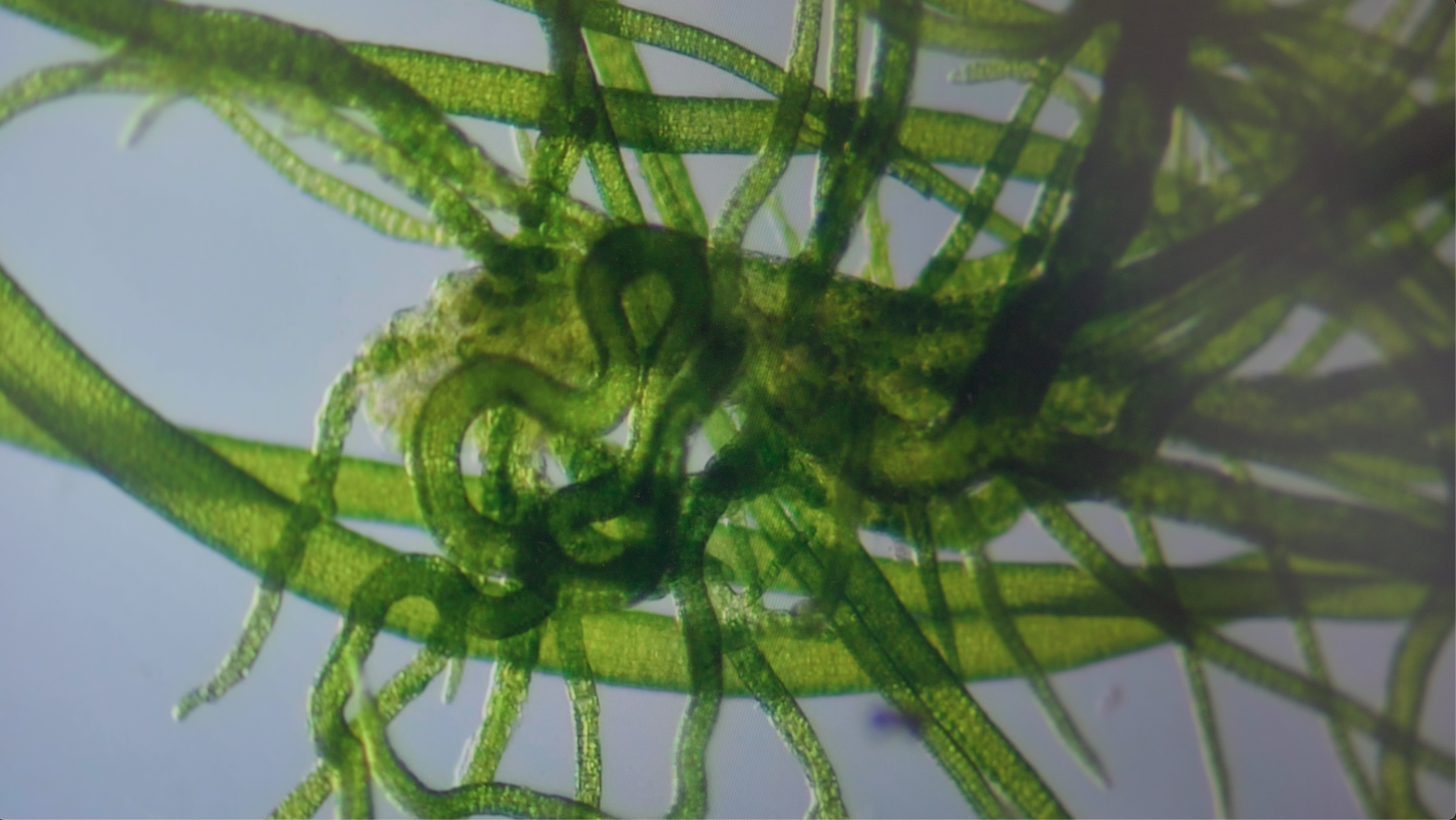
Small organism. Remarkable potential.
Nannovia begins with Nannochloropsis — a microscopic marine algae with a remarkably complex nutritional profile. But knowing what a food contains is only part of the story.
The bigger question is what happens when we eat it: which nutrients are released during digestion, which become available for absorption, and how its components interact with the gut. That is what we set out to understand.
More than what’s on the nutrition panel
Nutrition isn’t only about what’s present in a food, but what your body can access. Vitamins, minerals and other nutrients must first be released from the food matrix during digestion, a process known as bioaccessibility. Researchers from the Queensland Alliance for Agriculture and Food Innovation at The University of Queensland studied SeaO₂’s Nannochloropsis powder to examine its nutritional composition and how its nutrients are released during simulated human digestion. The study also explored how the microalgae interacts with gut microbes during simulated colonic fermentation.
01Naturally complex nutrition
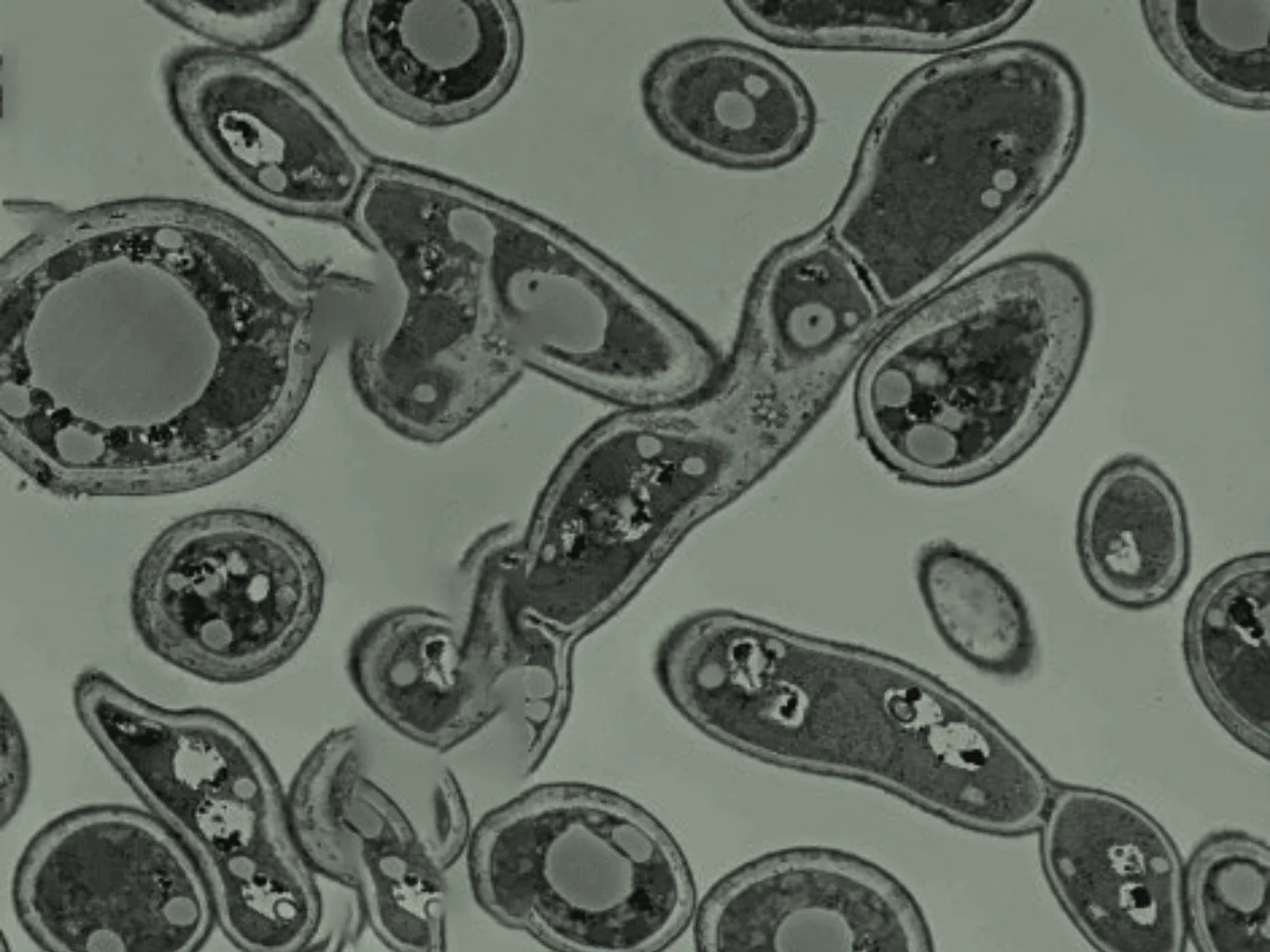
Folate
One of the standout findings. Nannochloropsis contained particularly high levels of folate, with the study reporting approximately 80 times the folate per weight of common folate-rich foods such as spinach and avocado. Spray-dried samples also showed very high folate bioaccessibility during simulated digestion.
Dietary Fibre
Nannochloropsis contained both soluble and insoluble dietary fibre, with the balance affected by the way the algae was dried. That matters because different fibre structures can influence both food functionality and how those components are fermented in the gut.
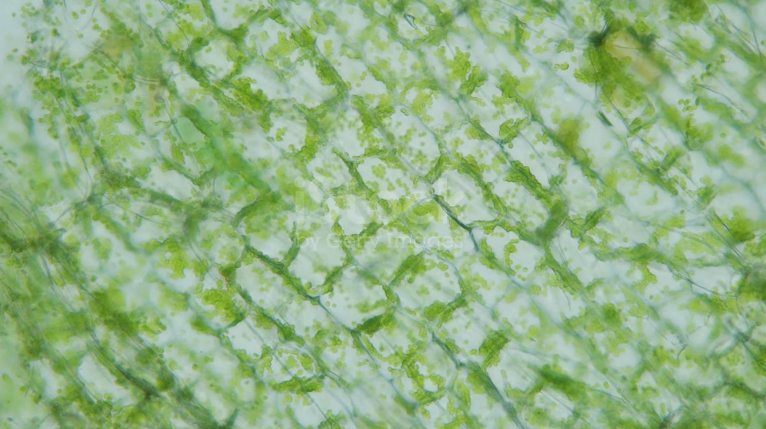
B-group Vitamins
The researchers detected thiamine, riboflavin, niacinamide, pantothenic acid, pyridoxine and biotin. Niacinamide and biotin showed measurable bioaccessibility following simulated digestion, although the accessibility of other B vitamins was low under the conditions tested.
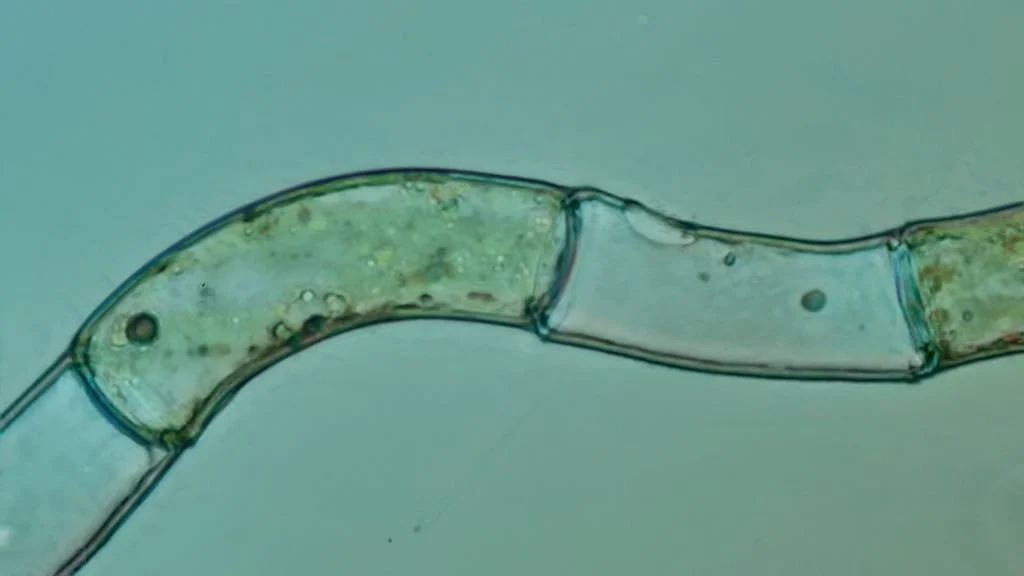
Amino Acids
Researchers detected a broad amino acid profile, with leucine and lysine the predominant essential amino acids. Importantly, the amino acid composition remained relatively stable across the different drying processes tested.
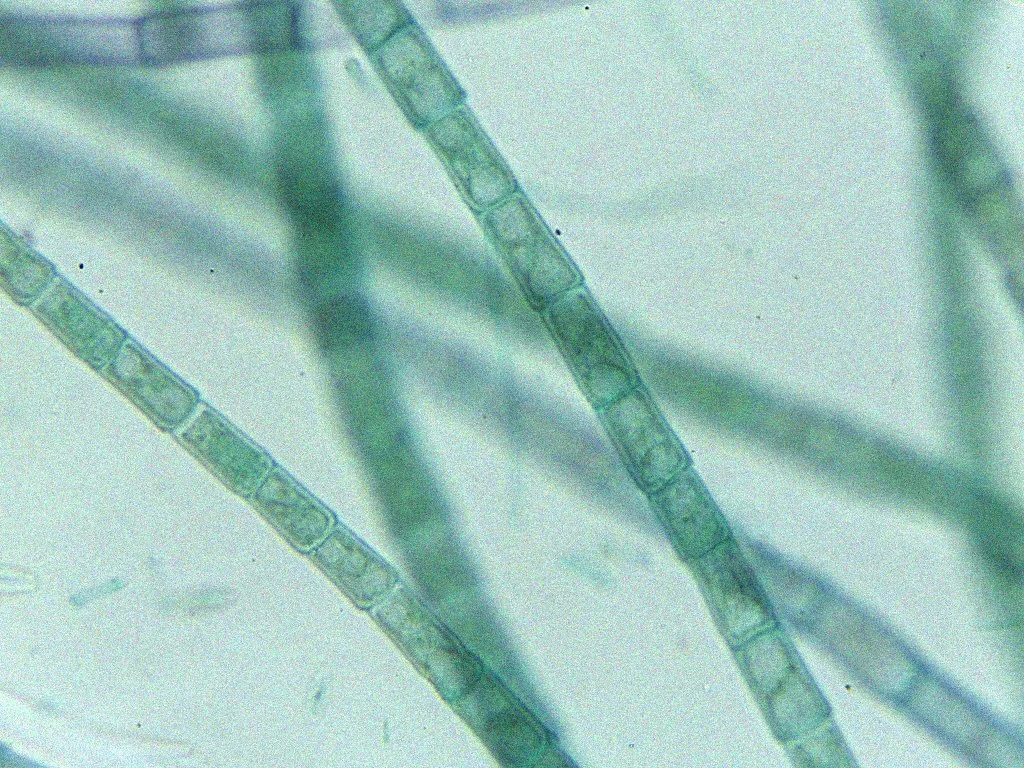
Omega-3 & Omega-7
One of the standout findings. Nannochloropsis contained particularly high levels of folate, with the study reporting approximately 80 times the folate per weight of common folate-rich foods such as spinach and avocado. Spray-dried samples also showed very high folate bioaccessibility during simulated digestion.
Carotenoids + Vitamin E
The samples contained compounds including beta-carotene, zeaxanthin and alpha-tocopherol (vitamin E).
Their bioaccessibility was relatively low during digestion, giving researchers another area for future formulation and delivery research.
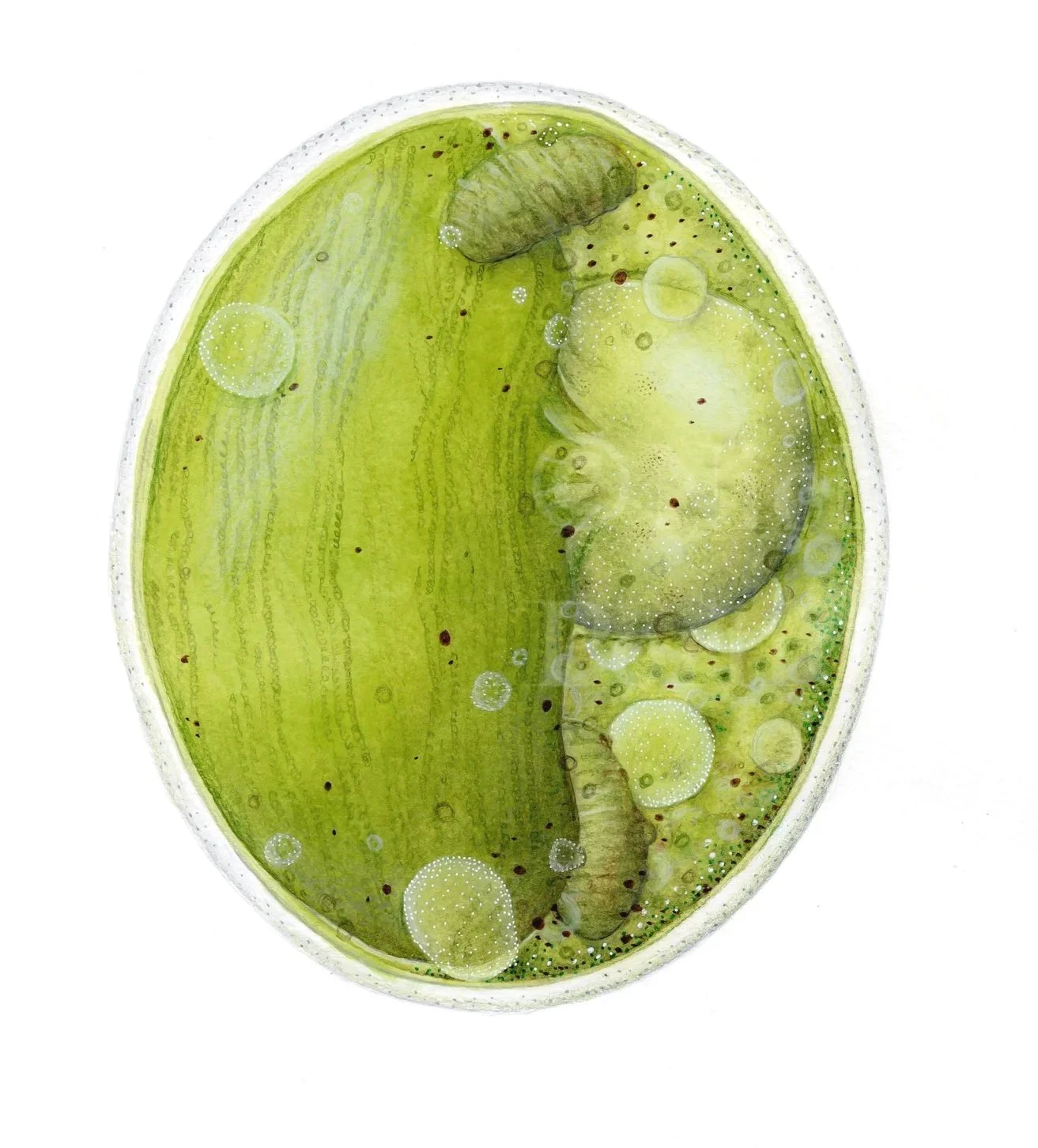
02Unlocking nutrition from a microscopic cell. Nannochloropsis has a naturally robust cell wall. That is useful for the organism in nature, but it can also make some nutrients harder to access during digestion. The UQ research found that processing changes the physical structure of the microalgae. Spray drying produced smaller particles and greater cell disruption, giving digestive enzymes greater access to compounds contained within the cell.
It is one of the reasons processing matters almost as much as cultivation when developing microalgae as a food ingredient.
The cell itself matters
Grown well

Processed intelligently.
For us, science is not something added to Nannovia after the fact. It informs how we grow it, how we process it, how we formulate with it — and what we investigate next.
Explore the research ↘
The Research
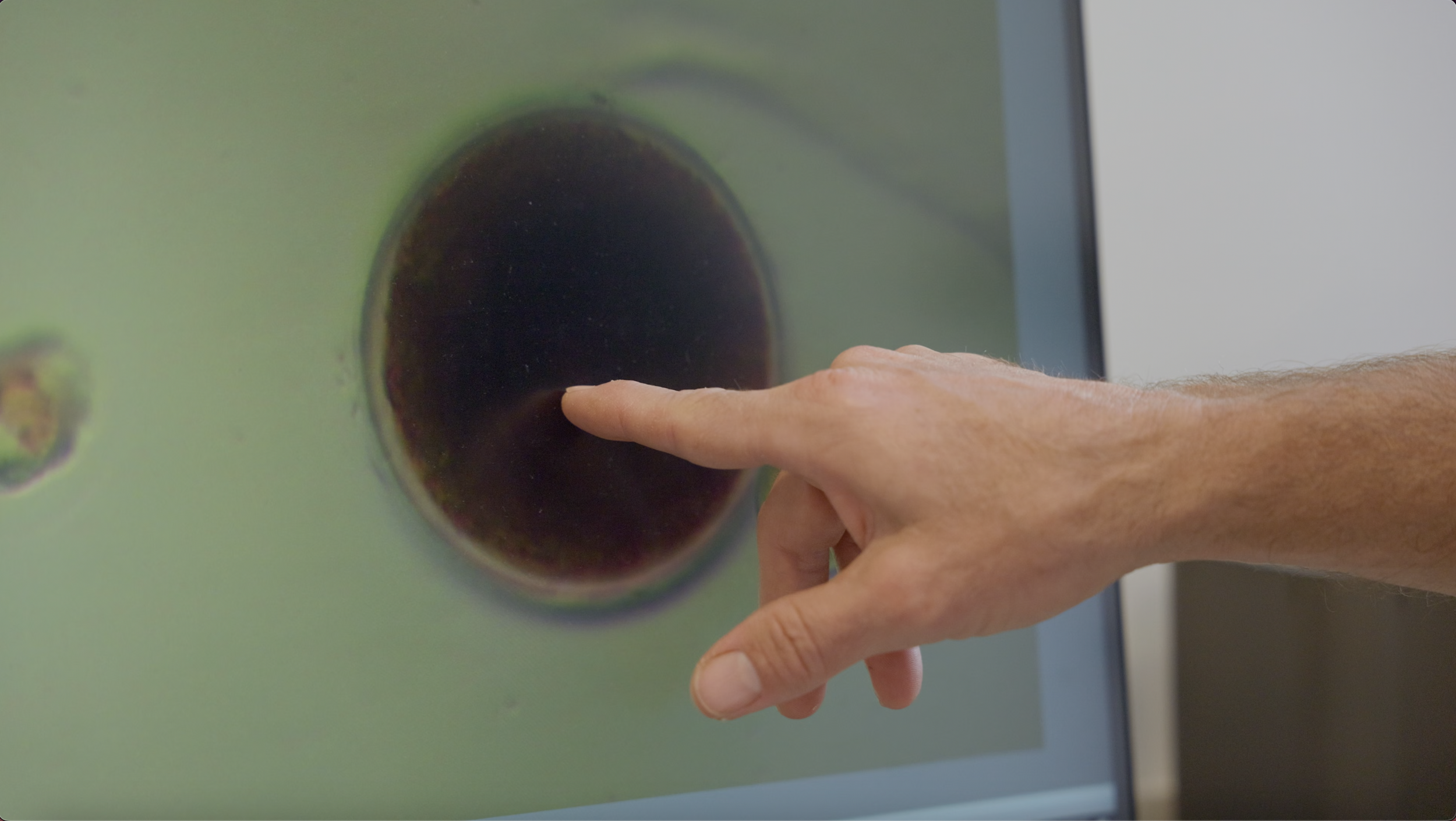
Putting Nannovia to the test.
In 2025–26, SeaO₂ worked with researchers from the Queensland Alliance for Agriculture and Food Innovation (QAAFI) at The University of Queensland to investigate the nutritional quality and functional potential of its Nannochloropsis microalgae powder.
The final report, completed in March 2026, examined nutrient composition, digestion, intestinal transport, food-safety indicators, gut fermentation and bioactive properties.
01The question
Nannochloropsis is naturally nutrient dense, but its rigid cell wall can restrict the release of nutrients during digestion.
SeaO₂ therefore wanted to understand:
Q1. WHAT NUTRIENTS WERE PRESENT;Q2. HOW PROCESSING AFFECTED THE MICROALGAE CELL;Q3. WHAT HAPPENED TO THOSE NUTRIENTS DURING DIGESTION;Q4. WHICH NUTRIENTS BECAME AVAILABLE FOR INTESTINAL ABSORPTION;Q5. HOW THE UNDIGESTED COMPONENTS INTERACTED WITH GUT MICROBIOTA;Q6. AND WHETHER DIFFERENT DRYING METHODS CHANGED THESE OUTCOMES.02Three ways of drying
Same microalgae. Three different processing methods. Researchers compared Nannochloropsis produced using:
SPRAY DRYINGFREEZE DRYINGKIX / FLASH DRYINGWHAT THE STUDY FOUNDThe study found that the way the algae was dried could materially influence its structure, digestibility and the accessibility of some nutrients. Overall, spray drying demonstrated the most favourable balance of nutrient release, digestibility and vitamin retention of the three methods studied.
03How it was studied
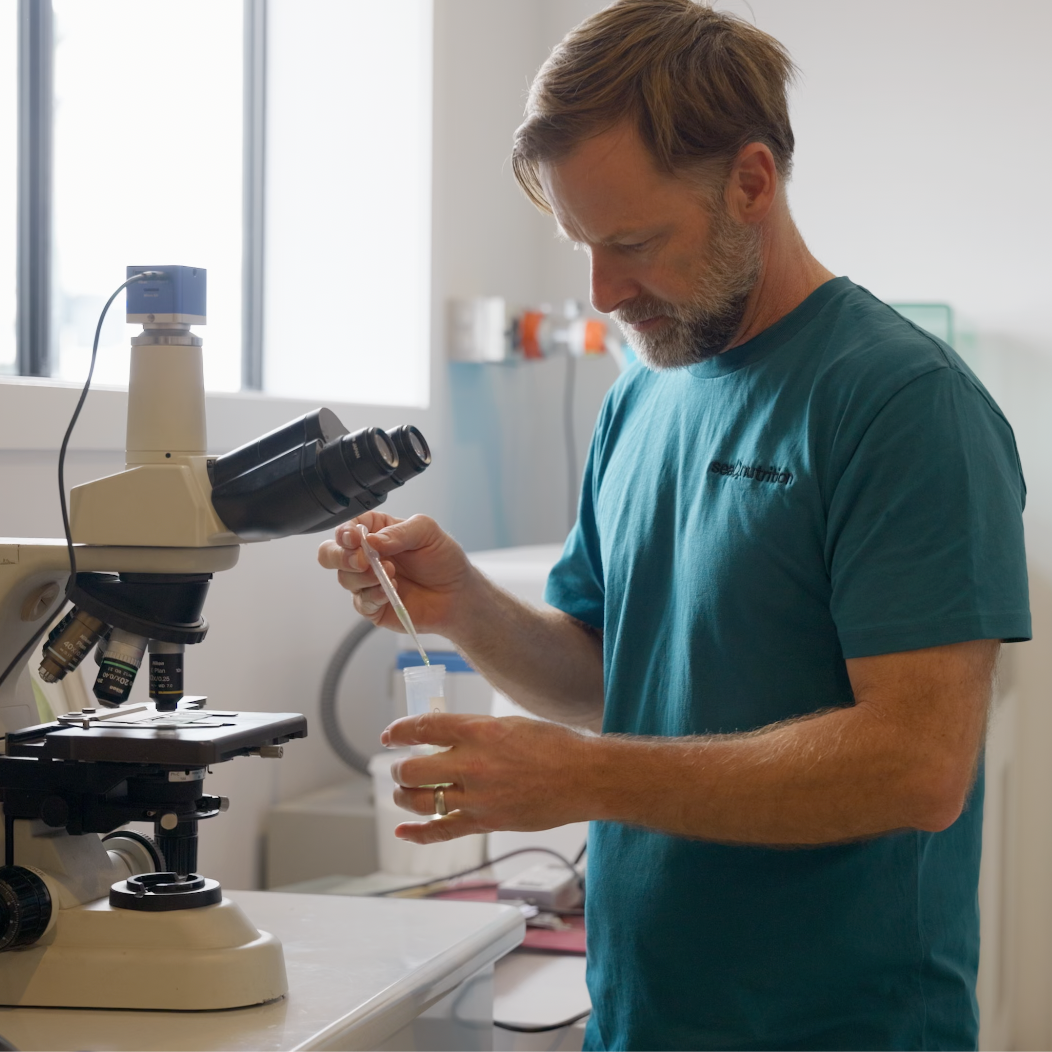
Analyse the powder
Researchers characterised amino acids, carbohydrates, dietary fibre, particle size, cell structure and selected vitamins, minerals and bioactive compounds.
Simulate digestion
Samples underwent a recognised INFOGEST 2.0 in-vitro gastrointestinal digestion protocol, designed to model oral, gastric and intestinal digestion
Model intestinal uptake
Researchers used intestinal cell models to investigate the potential transport of selected nutrients across the intestinal barrier.
Simulate colonic fermentation
The remaining material was exposed to a human gut-microbiota fermentation model to investigate microbial changes and the production of fermentation metabolites.
Investigate bioactivity
Researchers examined antioxidant capacity and anti-inflammatory activity in laboratory models.
Why bioaccessibility matters
Content tells you what is there. Bioaccessibility begins to tell you what might become available to the body.
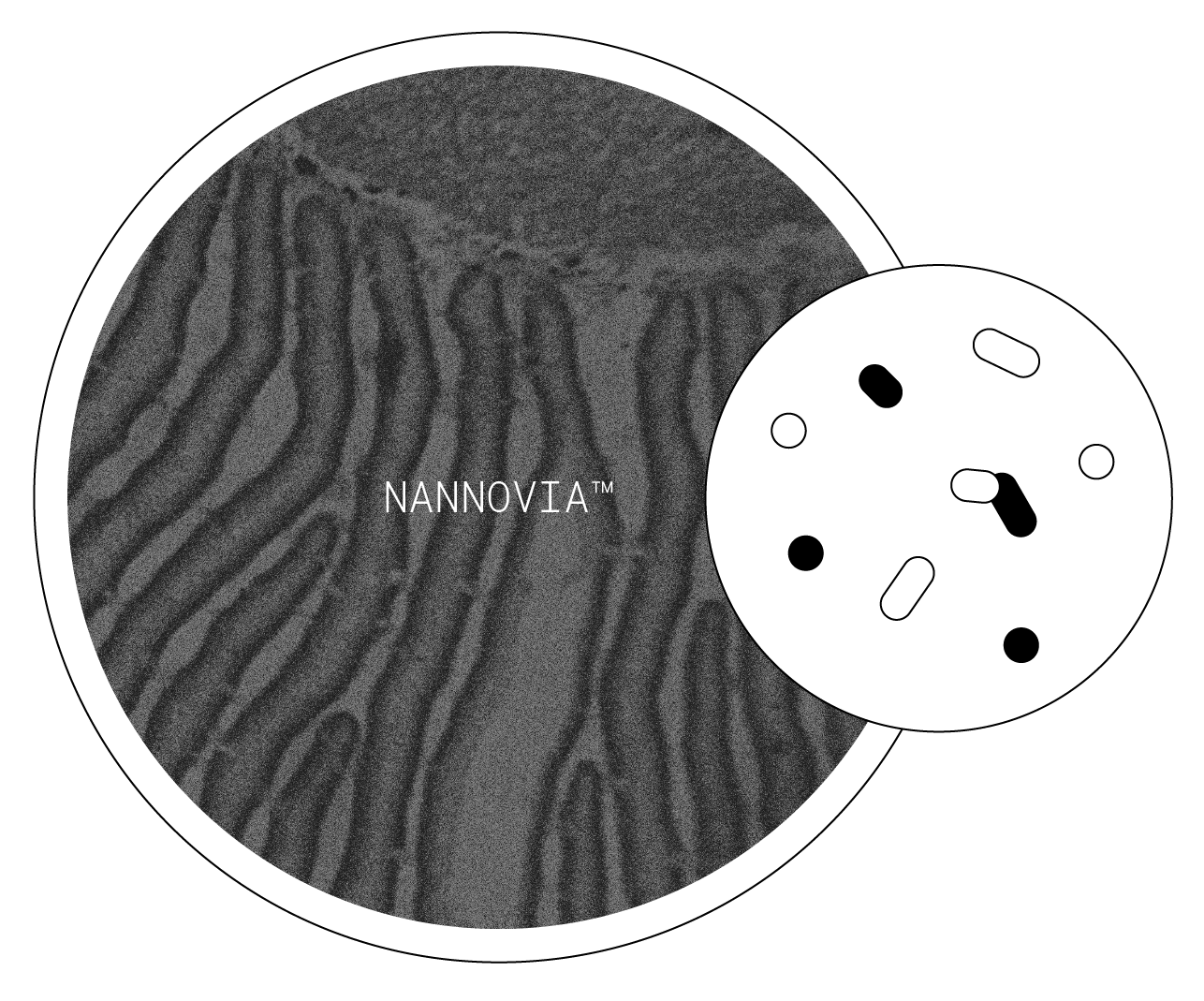
NUTRIENT CONTENTHow much of a compound is present in the original powder.
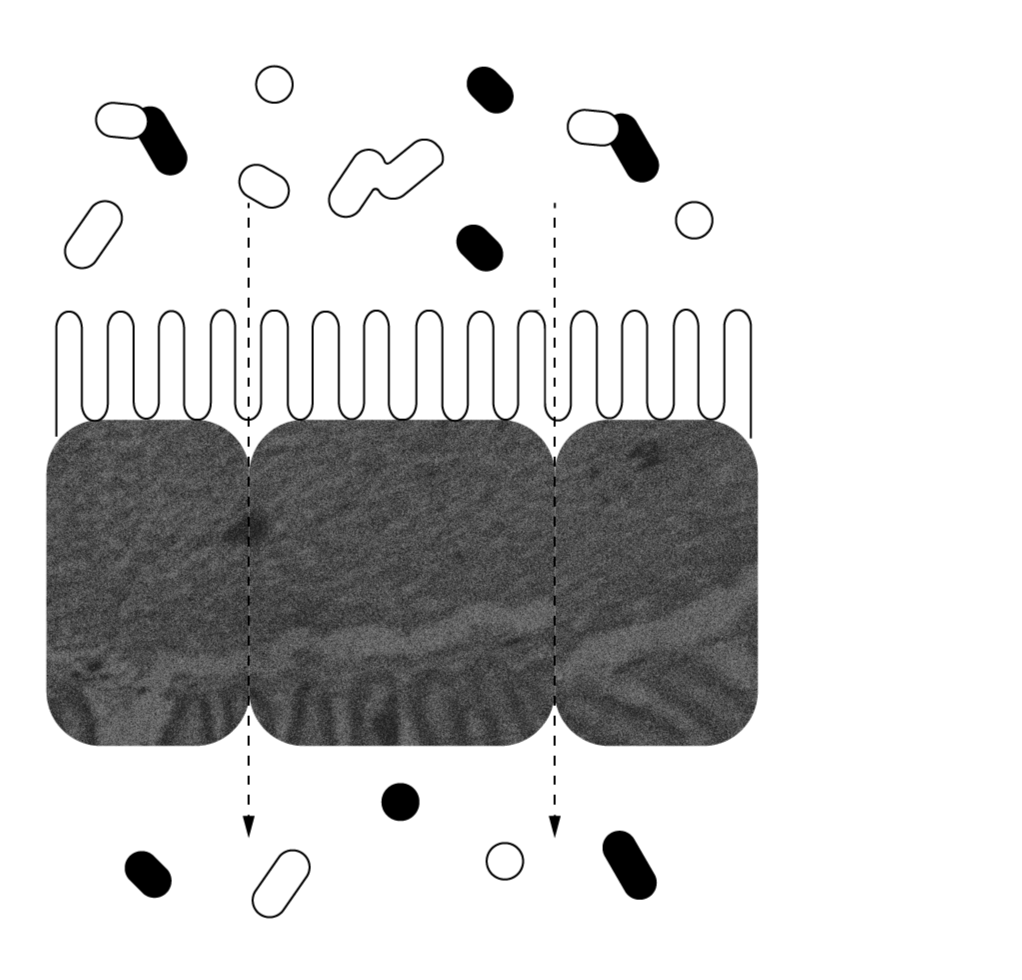
BIOACCESSIBILITYHow much is released from the food matrix during digestion and becomes available for potential absorption.
BIOAVAILABILITY / INTESTINAL TRANSPORTIn this study, researchers then used an intestinal-cell model to examine how much of selected nutrients could potentially cross the intestinal barrier.
Science is a process, not a finish line.
This research provides important laboratory evidence about the nutritional and functional potential of Nannovia. It does not mean every observed effect has been demonstrated in humans. The researchers recommend further in-vivo studies before specific health claims are confirmed.
Check the findings ↘
The Findings
What the research found.
One microscopic organism. A surprisingly big set of findings. Research conducted at The University of Queensland examined how SeaO₂’s Nannochloropsis performs as a potential functional food ingredient. Here are some of the findings that stood out.
FINDING 03A source of dietary fibre — with a difference
The structure of the fibre changed depending on processing.
Spray dried: 7.09g insoluble fibre + 1.62g soluble fibre per 100g
Freeze dried: 0.64g insoluble + 8.29g soluble fibre per 100g
Kix dried: 4.27g insoluble + 4.29g soluble fibre per 100g
This suggests processing can be used to influence the functional characteristics of the final ingredient.
FINDING 0180× the folate of common folate-rich foods, by weight
Nannochloropsis contained approximately 80 times the folate per weight of foods such as spinach and avocado in the comparison used by the researchers.
Even more importantly, spray-dried Nannochloropsis showed near-complete folate release during simulated digestion.That combination — concentration and bioaccessibility — was one of the clearest nutritional findings in the study.
FINDING 02A broad amino acid profile
Researchers detected both essential and non-essential amino acids, with leucine and lysine the predominant essential amino acids.
The report found approximately 5–10 times higher levels of leucine and lysine per gram than the legume flours used for comparison, including lentils, chickpeas and beans. The amino acid composition was also largely stable across the three drying methods tested.
FINDING 04The gut microbiome responded
During simulated colonic fermentation, the Nannochloropsis samples altered microbial composition and increased production of important short-chain fatty acids, particularly acetate and propionate.
Short-chain fatty acids are produced when gut bacteria ferment certain dietary components. The researchers concluded that these results demonstrate fermentability and prebiotic potential, while further research is required to establish health effects in humans.
FINDING 05Antioxidant potential increased during colonic fermentation
The original powders demonstrated antioxidant activity in laboratory assays, with spray-dried samples showing the highest ABTS antioxidant activity. During simulated intestinal digestion antioxidant activity remained relatively low. But after 24 hours of simulated colonic fermentation, antioxidant capacity increased substantially and exceeded the control across the treatments in the FRAP assay.
The researchers suggest this may reflect gut microbes transforming compounds within the algae into metabolites with greater reducing capacity.
FINDING 08Well tolerated in the cell models tested
The researchers also evaluated the powders using intestinal and liver cell models. Across the tested samples and concentrations, the powders showed no marked cytotoxicity and were described as well tolerated under the experimental conditions.
FINDING 06Bioactivity remained after digestion
In a laboratory model of inflammation, the intestinal fractions of all three Nannochloropsis preparations showed measurable inhibition of LPS-induced nitric oxide production.
The strongest response occurred in the Kix-dried sample, followed by spray-dried and freeze-dried samples. The researchers caution that these are cell-model findings, and further research using additional inflammatory markers and human studies would be needed before drawing clinical conclusions.
FINDING 07Low levels of the anti-nutrients tested
The researchers measured phytate, oxalate and tannins. Levels were relatively low across the samples, with particularly low oxalate levels compared with high-oxalate foods used as a reference in the report.
The study concluded that the measured anti-nutrient levels presented minimal potential interference with mineral bioavailability.
FINDING 09Processing unlocked more of the cell
One of the most useful findings for SeaO₂ wasn’t about a single nutrient. It was about how the ingredient is made. Spray drying created smaller particles and greater disruption of the Nannochloropsis cell wall. That gave digestive enzymes greater access to nutrients held within the cell and was associated with higher protein digestibility, high folate retention and bioaccessibility, higher carotenoid retention and higher ABTS antioxidant activity.
Overall, the researchers concluded that spray drying offered the best balance of nutrient release, digestibility and vitamin retention of the processing methods studied.
There is still more to discover.
Microalgae have existed for billions of years. Our understanding of their potential as a modern food source is only beginning.
The QAAFI research gives us important insight into how Nannochloropsis behaves through processing and simulated digestion — and gives us a roadmap for what comes next.
Future research identified in the report includes improving the delivery of carotenoids, vitamin E and minerals; investigating omega-3 and omega-7 bioaccessibility; testing Nannovia in functional-food formulations; assessing shelf-life and oxidation stability; and ultimately conducting clinical trials studies.
For SeaO₂, that’s the exciting part. We are not simply growing microalgae. We’re learning how to unlock its potential.
Explore product applications
Your innovation starts here.
General enquiries: hello@seao2.com.au